
Family Friendly Brewery Pub Atmosphere That Welcomes Children Without Losing Adult Comfort
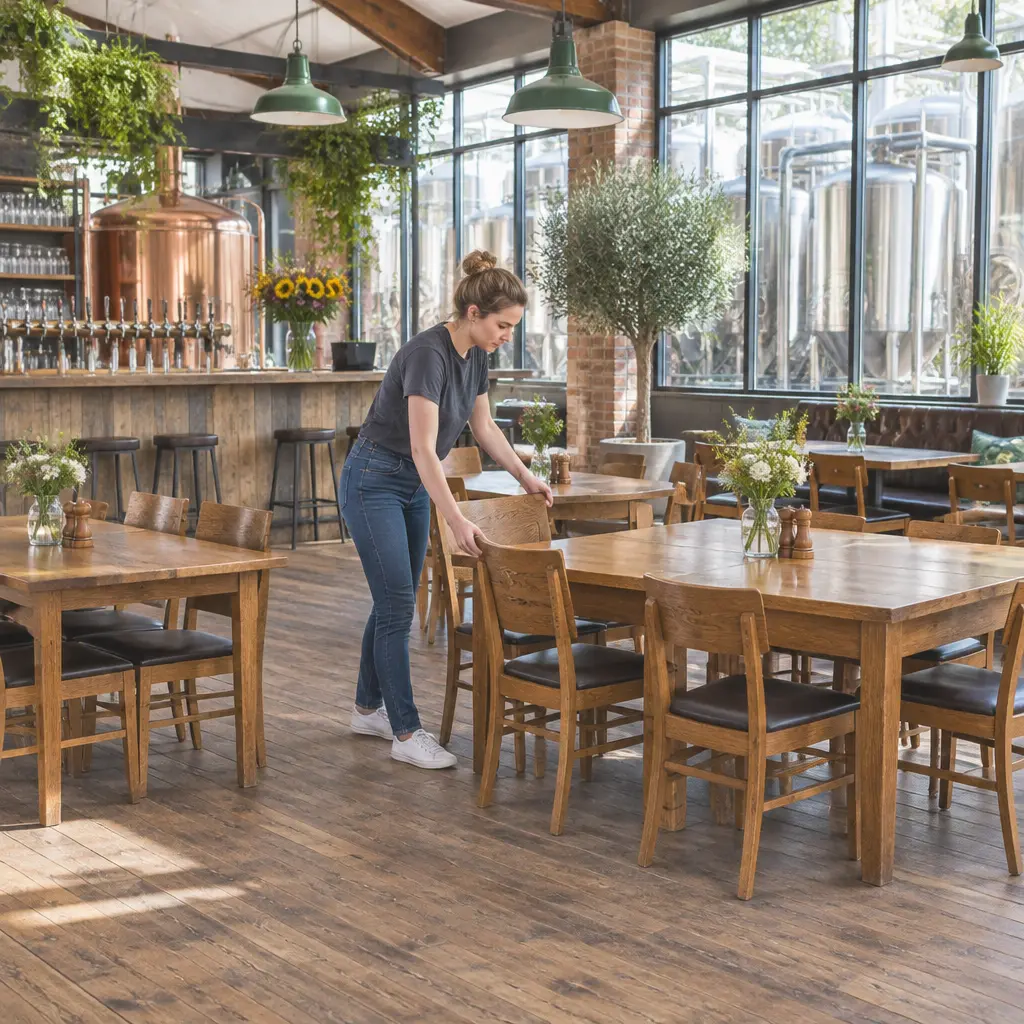
A family-friendly brewery pub pairs a welcoming setting for children with the food, drinks, service, and comfortable atmosphere adults seek. The strongest model does not simply add a play area: it plans age-appropriate seating, clear safety practices, satisfying nonalcoholic options, and a considerate transition to quieter adult-focused spaces. That balance matters in a market where the Brewers Association counted 9,796 U.S. craft breweries in 2023, while public-health guidance emphasizes that alcohol venues must manage risks and protect minors. The sections below explain how to define the concept, design welcoming spaces, provide inclusive food and beverage service, and establish policies that help families and other guests share the pub comfortably.
Family-Friendly Brewery Pubs Balance Hospitality and Adult Comfort
A family-friendly brewery pub is a hospitality venue that serves beer or other alcoholic drinks while making dining with children practical, safe, and genuinely welcome. “Family-friendly” is not a single regulated certification; it is an operational promise expressed through the layout, menu, staff behavior, and house rules. The Brewers Association’s 2023 industry report recorded 9,796 U.S. craft breweries, underscoring how many venues compete to create distinctive guest experiences. A pub that accommodates families without turning the entire room into a children’s zone can broaden its audience while preserving an adult-friendly experience.
The key is to manage shared space rather than assume every guest wants the same atmosphere. Families need room for strollers, prompt food, and facilities such as high chairs; adults may value conversation, good service, beer knowledge, and seating away from active play. Thoughtful zoning, clear expectations, and consistent service connect these needs.
A welcoming environment is designed, not improvised
A welcoming environment makes children feel accepted while maintaining practical boundaries. The Centers for Disease Control and Prevention (CDC) advises that adults should not leave children unattended around alcohol, and its alcohol guidance underscores that alcohol consumption carries health risks. In a pub, this translates into a simple division of responsibility: staff manage service and venue safety, while accompanying adults supervise children. Clear signage and respectful communication help prevent misunderstandings.
Adult comfort depends on choice and predictability
Adult comfort does not require excluding children. It depends on guests being able to choose a suitable area, understand the venue’s atmosphere, and receive attentive service. A family section, quieter seating, or a clearly marked patio can help, provided each area is accessible and the layout does not isolate families from the main experience. Predictable hours and policies also help adults plan visits around a lively family meal or a quieter evening service.
Family-Friendly Brewery Pub Design Supports Safety and Shared Use
Good design translates the hospitality promise into everyday function. The National Restaurant Association’s restaurant-industry research describes a sector shaped by changing customer preferences and operating pressures; for brewery pubs, versatile seating and efficient service can help meet different occasions without sacrificing the venue’s identity. Design choices should address circulation, visibility, noise, and the distinct needs of children and adults.
Zoned seating separates activity without dividing guests
Zoned seating means arranging tables to offer different levels of activity within one venue. A family-friendly zone near the kitchen or restrooms can make meals easier, while a quieter area can support conversation and beer tasting. Keep aisles clear for servers, mobility devices, and strollers; avoid placing children’s activities beside hot-service routes, brewing equipment, or bar traffic. Where space allows, use distance, table orientation, and soft furnishings to reduce noise rather than relying on signs alone.
Play areas require supervision and risk controls
A play area is a designated space for child-oriented activity, not a substitute for adult supervision. If a pub offers toys, games, or an outdoor play feature, staff should inspect it regularly, keep it away from service hazards, and communicate age limits and supervision expectations. The U.S. Consumer Product Safety Commission’s playground safety guidance highlights the importance of age-appropriate equipment, safe surfaces, and maintenance. A small, well-managed activity corner may serve families better than a large feature that creates noise, sightline, or liability problems.
Accessibility benefits families and the wider guest community
Accessible design makes the pub easier to use for people with disabilities, caregivers, and families carrying infants or supplies. The U.S. Access Board’s Americans with Disabilities Act (ADA) standards address accessible routes, dining surfaces, and other elements of public accommodation. Practical measures include step-free routes where required, clear passage between tables, accessible restrooms, and seating choices that do not force a guest to remain in a high-traffic area. These features support a broader range of customers, not only families with young children.
Family-Friendly Brewery Pub Menus Serve Children and Adults
Menu design connects family convenience with the pub’s culinary and beverage identity. Children often benefit from familiar, appropriately portioned choices, while adults expect food that complements the brewery’s beers and suits varied dietary needs. Offering both is more effective than treating the children’s menu as an afterthought or limiting the adult menu to heavy, alcohol-centered pairings.
Children’s meals should be simple, flexible, and timely
A children’s menu is a concise selection of age-appropriate meals, portions, and substitutions. Options such as a smaller burger, grilled chicken, vegetables, fruit, or a simple pasta dish give caregivers choices beyond fried food. Staff can ask about allergies, offer child-sized utensils, and coordinate quick service when possible. The CDC identifies food allergies as an important safety concern; restaurants should follow applicable food-safety rules, communicate ingredients accurately, and avoid promising that a dish is allergen-free unless the kitchen can verify that claim.
Adult menus preserve the brewery pub’s identity
Adult menus should retain the flavors and craftsmanship that distinguish a brewery pub. Seasonal dishes, vegetarian choices, and clearly described beer pairings can make the experience appealing to adults dining with children. Pairing notes should explain flavor relationships without suggesting that alcohol is necessary to enjoy a meal. The U.S. Dietary Guidelines for Americans advise adults who choose to drink to do so in moderation; venues can support responsible choices by providing food, water, and nonalcoholic alternatives alongside alcoholic beverages.
Nonalcoholic drinks make hospitality more inclusive
Nonalcoholic beverages are drinks made without alcohol or with little or no alcohol, depending on the product and applicable labeling rules. A thoughtful list can include sparkling water, house-made lemonade, soft drinks, and well-presented alcohol-free beer or mocktails. The National Institute on Alcohol Abuse and Alcoholism notes that alcohol affects health and that risk can vary by individual circumstances. Providing appealing alternatives supports designated drivers, pregnant guests, people avoiding alcohol, and adults who simply want a different drink.
Family-Friendly Brewery Pub Policies Protect Guests and Service Quality
Policies turn good intentions into consistent practice. They should explain who may enter particular areas, when children are welcome, how supervision works, and how staff handle alcohol service. Clear rules are not inherently unfriendly; when applied consistently and courteously, they help families and adult guests know what to expect.
Age rules and alcohol service must follow local law
Rules governing minors in alcohol-serving venues vary by jurisdiction, license type, time of day, and venue layout. The Alcohol and Tobacco Tax and Trade Bureau provides federal alcohol-industry information, but state and local authorities establish many requirements relevant to customers and licensed premises. Before opening or changing policies, operators should verify local licensing rules, permitted hours, age restrictions, and requirements for separating brewing or production areas from public spaces. Staff training should cover identification checks, refusal of service, and escalation procedures.
House rules work best when they are specific and respectful
House rules are concise expectations that guide behavior in shared spaces. Useful examples include keeping children with an accompanying adult, staying out of production and service areas, and respecting quieter seating. Avoid vague language such as “well-behaved children only,” which can invite inconsistent enforcement. Instead, describe observable expectations, place them where guests can see them, and train staff to address concerns privately and calmly.
Staff training connects safety with hospitality
Staff training prepares employees to welcome families, recognize service risks, and apply policies consistently. Employees should know how to offer high chairs, explain menu ingredients, maintain clear walkways, and respond to disruptive behavior without shaming guests. Alcohol-service training should follow local law and recognized responsible-service practices. A written incident-reporting process also helps management identify repeated problems, such as bottlenecks near stroller parking or noise conflicts at peak times.
Real-World Practices Show How Pubs Can Balance Family and Adult Needs
The most useful examples are operational rather than cosmetic. A brewery pub can preserve its adult character while being family-friendly by making the guest journey work from arrival through departure: convenient parking or drop-off, clear entry information, flexible seating, appealing food, and transparent hours. The Brewers Association’s brewery directories and industry materials illustrate the diversity of American brewery models, from taprooms to brewpubs; operators can adapt the principles below to their local laws and customer base.
A family dining zone can reduce friction during peak service
Consider a pub with a family section near the dining room’s edge, a small selection of tabletop activities, and a separate quieter area. The arrangement lets caregivers reach restrooms and exits easily while keeping active play away from the bar and service paths. It also gives adult groups a choice of seating instead of making the whole venue uniformly noisy. The operator should monitor whether the arrangement works through guest feedback, table-turn times, and reports of blocked aisles or service delays.
Scheduled family hours can protect a quieter evening atmosphere
Some venues can communicate family-oriented hours alongside later adult-focused programming, subject to local rules. For example, an early dinner period may offer children’s meals and family seating, while a later event features a quieter tasting or live music. The CDC’s alcohol guidance supports avoiding alcohol use by people under the legal drinking age; age-related rules and event access should therefore be explicit and compliant. Publishing the schedule in advance helps guests choose an experience that matches their preferences.
Guest feedback can test whether the balance is working
Guest feedback is evidence about how a policy functions in practice. Operators can ask families about seating, menu speed, and accessibility, while asking other guests about noise, service, and comfort. Track feedback alongside operational indicators such as complaints, repeat visits, average service times, and incidents involving blocked routes. These measures are not universal industry benchmarks, but they help a venue identify patterns and make adjustments based on its own customers rather than assumptions.
Conclusion: A Brewery Pub Can Welcome Children Without Losing Adult Comfort
A successful family-friendly brewery pub combines a clear hospitality definition with practical design, inclusive menus, responsible alcohol service, and consistently enforced house rules. Zoned seating and accessible routes support shared use; supervised activity areas and age-appropriate meals make family visits easier; adult-focused food, thoughtful beverage choices, and quieter seating preserve the pub experience. Local licensing rules and public-health guidance should shape operating policies, while guest feedback helps refine them.
For operators, the next step is to review the venue from a family’s perspective, confirm legal requirements with local authorities, and ask guests what would make visits more comfortable. For customers, checking published hours, age policies, menus, and accessibility information before visiting can help set expectations. A welcoming pub is not one that serves every guest in exactly the same way; it is one that makes room for different needs while keeping safety, quality, and respect at the center.
Sources: Brewers Association, National Beer Sales & Production Data, 2023, https://www.brewersassociation.org/statistics-and-data/national-beer-stats/; Centers for Disease Control and Prevention, About Alcohol Use, https://www.cdc.gov/alcohol/about-alcohol-use/; National Restaurant Association, Research and Reports, https://restaurant.org/research-and-media/research/; U.S. Consumer Product Safety Commission, Public Playground Safety Handbook, https://www.cpsc.gov/s3fs-public/325.pdf; U.S. Access Board, ADA Accessibility Standards, https://www.access-board.gov/ada/; U.S. Department of Agriculture and U.S. Department of Health and Human Services, Dietary Guidelines for Americans, 2020–2025, https://www.dietaryguidelines.gov/; National Institute on Alcohol Abuse and Alcoholism, Alcohol’s Effects on Health, https://www.niaaa.nih.gov/alcohols-effects-health; Alcohol and Tobacco Tax and Trade Bureau, Alcohol Beverage Control Boards, https://www.ttb.gov/wine/alcohol-beverage-control-boards