
Brewery for Walkers and Outdoor Visitors Stops Worth Planning Around Trail Timing
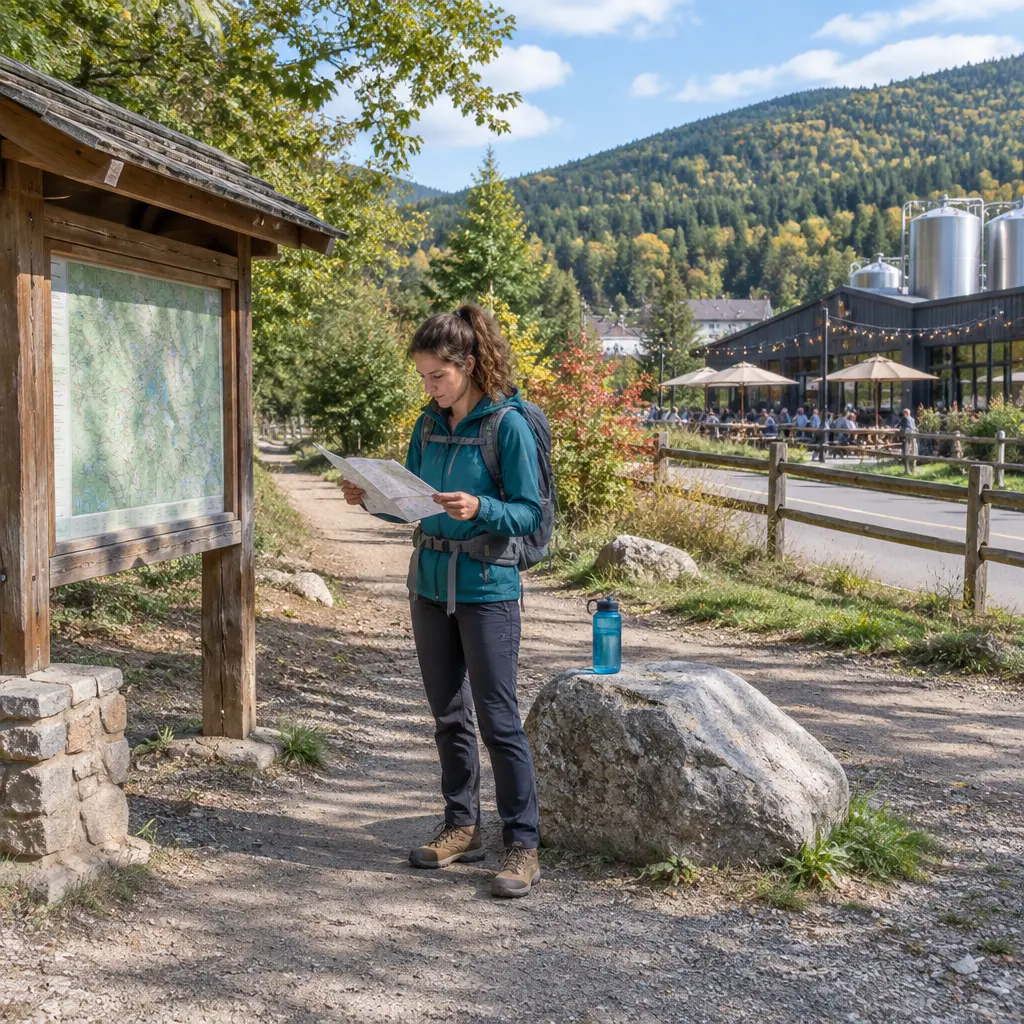
A trail-timed brewery stop is a brewery visit planned around a hike, walk, or outdoor excursion, with attention to opening hours, distance, transport, food, and safe alcohol use. The best stops are not simply close to a trail: they fit the route and daylight, offer a reliable way to get there and back, and make room for water and a meal. This guide explains how to assess trail-and-brewery pairings, plan timing, choose among brewery types, and use examples and practical checks to make the outing enjoyable and responsible.
How trail-timed brewery stops work for walkers and outdoor visitors
A brewery stop becomes a useful part of an outdoor itinerary when it functions as a planned destination or recovery stop rather than an unplanned detour. The National Park Service advises visitors to plan for their route, conditions, supplies, and return journey; those same basics matter when a tasting room is part of the day. Confirm trail access and brewery hours independently, because seasonal schedules, weather, events, and closures can change plans.
There is no single national statistic that measures how many hikers visit breweries. A practical way to assess a stop is to compare route length and elevation, expected walking pace, daylight, service hours, transport options, and the time needed for food and rest. A nearby brewery may still be a poor fit if its opening time falls after the trailhead’s last shuttle or if the return route involves walking beside a busy road.
What makes a brewery a worthwhile trail stop?
A trail-friendly brewery is one that can be reached safely and fits the outing’s schedule. Useful features include clear visitor information, food or nonalcoholic drinks, outdoor seating where appropriate, and access by foot, bicycle, public transport, or a designated driver. These features are planning criteria, not a guarantee that a venue is suitable for every group; check current policies and facilities before setting out.
The Centers for Disease Control and Prevention notes that alcohol can impair coordination, judgment, and reaction time. That matters after a hike as well as during one: fatigue, uneven paths, heat, and dehydration can make a return journey more demanding. Treat tasting as an optional activity after the walk, not as a trail-side refreshment or a substitute for water and food.
The main types of brewery-and-trail pairing
Common pairings include a brewery at or near a trailhead, a tasting room in a walkable town at the end of a route, a brewery reached by cycling or public transport, and a destination brewery that requires a separate vehicle plan. These are useful categories because each brings a different timing and safety constraint. A trailhead-adjacent venue may minimize extra mileage, while a town-based stop may offer more food and transport choices.
For any pairing, verify the route on an official trail or land-manager source and check the brewery’s own current hours. Map estimates do not account for steep terrain, muddy conditions, closures, or a group’s pace. If the plan relies on a shuttle, taxi, or bus, confirm the final departure time before starting the hike.
How to plan brewery timing around a walk or hike
Trail timing means working backward from the brewery’s confirmed service hours and the safe end of the outdoor route. The American Hiking Society’s hiking guidance emphasizes preparation, suitable gear, and awareness of conditions; in practice, walkers should also allow a buffer for slower progress, breaks, navigation, and unexpected trail changes. Build the schedule around the walk first, then fit the brewery visit into the remaining time.
Estimate the route before choosing a tasting time
Estimate duration using distance, elevation gain, terrain, group ability, and planned stops—not distance alone. A short steep route can take longer than a longer, level path. Check the land manager’s notices for seasonal access, weather advisories, and closures, and choose a turnaround time that leaves a margin before sunset or the last transport connection.
A simple itinerary can separate the day into three blocks: trail time, recovery and meal time, and brewery time. For example, a morning walk followed by lunch and a later tasting-room visit is usually easier to manage than trying to squeeze a tasting into a tight interval before the return journey. The example is a planning pattern, not a universal schedule; actual timing depends on the route and venue.
Check opening hours, food service, and transport
Confirm whether the brewery is open to visitors on the planned day, when the kitchen stops serving, whether reservations are needed, and whether children or dogs are permitted. Then confirm how the group will leave. If anyone expects to drink, arrange a sober driver, public transport, a taxi, or an overnight stay before the outing begins. Do not assume that a rural venue has a dependable ride service or late transit.
The National Highway Traffic Safety Administration warns that alcohol-impaired driving is dangerous and illegal. The safest itinerary makes driving decisions in advance: the person driving abstains from alcohol, or the group uses another confirmed way home. A designated driver should be agreed upon before departure, not chosen after a tasting.
Use a practical timing checklist
- Check official trail conditions, access rules, and estimated walking time.
- Confirm brewery hours, food availability, and any booking requirements directly with the venue.
- Allow extra time for breaks, slower walkers, navigation, and changing weather.
- Check daylight and the final bus, shuttle, or other transport departure.
- Carry water and appropriate food; do not treat alcohol as hydration or recovery fuel.
- Decide in advance how everyone will get home, including a sober driver or non-driving option.
Which brewery features matter most after outdoor activity?
The most useful brewery features depend on the outing. A family group may prioritize food and nonalcoholic choices, while a long-distance walker may value proximity to transit and a place to sit. Thinking in terms of visitor needs helps distinguish a genuinely convenient stop from one that only looks close on a map.
Food, water, and nonalcoholic choices
Food and water access make a venue more practical for a post-walk break. Check whether the brewery serves a full meal, snacks, or only beverages, and bring suitable trail food rather than relying on a kitchen that may close early. The CDC’s guidance on alcohol and health supports making alcohol a deliberate, moderate choice; visitors who do not drink should be able to enjoy the stop with water or a nonalcoholic beverage.
Outdoor seating, accessibility, and group needs
Outdoor seating can be convenient after a walk, but availability may depend on weather, crowding, and venue rules. Contact the brewery about step-free access, accessible toilets, seating, service-animal policies, and space for larger groups. These details are especially important when the outing includes people with mobility needs, children, or visitors carrying hiking equipment.
Local beer styles and community context
A local brewery can add a sense of place to an outdoor visit through regional ingredients, local food, or knowledge of nearby communities. Still, a brewery visit should complement—not replace—respect for the landscape and local rules. Follow trail signs, pack out rubbish, stay on permitted paths, and avoid disturbing wildlife or nearby residents.
Real-world planning examples and responsible choices
A useful case study is not necessarily a named brewery; it is a planning pattern that can be checked against current local conditions. Since trail and brewery hours vary by season and location, these examples show how to evaluate a route rather than imply that a particular venue is always open or accessible.
The walkable-town finish
A group completes a marked day hike that ends near a town center, then walks to a brewery for a meal and optional tasting. This arrangement can reduce the need to drive between the trail and venue, but the group should still check the route from the trail exit, venue hours, and the onward trip home. If the walk runs late, skip the tasting rather than rushing the return.
The transit-linked outing
Visitors use public transport to reach a trail and choose a brewery near a stop on the return route. The key validation is the timetable: confirm the last service, any weekend or seasonal changes, and how long it takes to reach the stop from the venue. This can be a strong option for groups who want to avoid driving, provided the transport plan is realistic and leaves a contingency.
The family or non-drinking visit
A family, mixed-age group, or non-drinking party can treat a brewery as a food or rest stop rather than a tasting destination. Before setting out, confirm age policies, food service, nonalcoholic drinks, and seating. The outing remains centered on the walk, while the brewery is simply one optional stop among local cafés, picnic areas, or visitor facilities.
Conclusion: make the brewery stop fit the trail
A worthwhile brewery stop for walkers is defined by more than proximity: it must fit the route, opening hours, group needs, daylight, and a safe journey home. Plan the trail first, confirm venue and transport details, allow a time buffer, and make food and water part of the day. The broader lesson is that outdoor hospitality works best when recreation, local businesses, and responsible travel are planned together. Before your next outing, check the official trail information and contact the brewery directly; then choose a schedule that leaves room to enjoy both the walk and the stop without rushing.
Sources: National Park Service, Plan Ahead and Prepare, https://www.nps.gov/articles/leave-no-trace-seven-principles.htm; Centers for Disease Control and Prevention, About Alcohol Use, https://www.cdc.gov/alcohol/about-alcohol-use/index.html; American Hiking Society, Hiking 101, https://americanhiking.org/resources/hiking-101/; National Highway Traffic Safety Administration, Drunk Driving, https://www.nhtsa.gov/risky-driving/drunk-driving.