
Beer and Food Pairing Dessert Matches That Surprise Guests Who Assume Savory
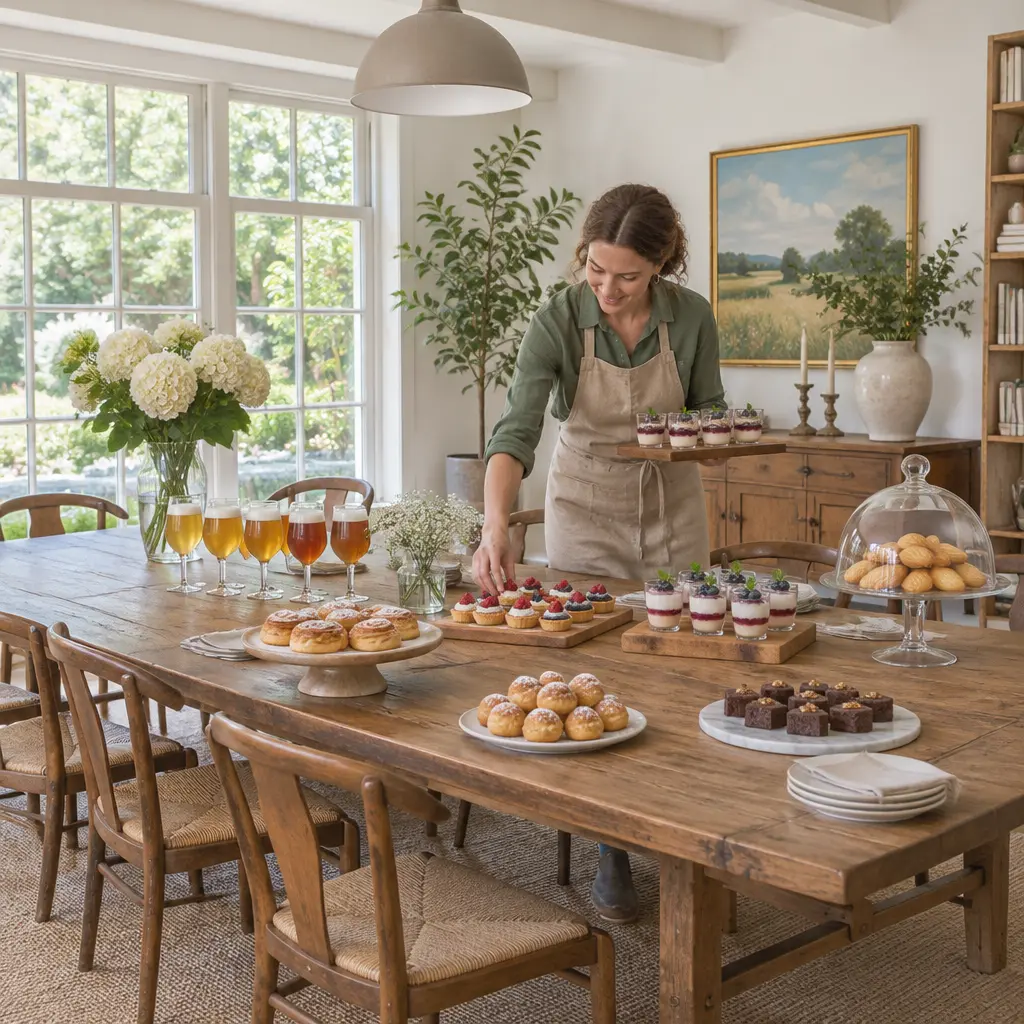
Beer and dessert are a more natural match than many guests expect: beer’s sweetness, roast, acidity, carbonation, and bitterness can complement or contrast with a dessert’s flavor and texture. A reliable pairing starts with intensity—match a delicate dessert with a gentler beer, or let a bold stout stand up to chocolate—and then choose whether to echo or counter the dessert’s main notes. The ideas below explain the pairing principles, explore styles from fruit beer to porter, and offer practical combinations that can turn a savory-first tasting into a memorable surprise.
Beer-and-dessert pairing principles make sweet matches work
A beer-and-dessert pairing is the deliberate combination of a beer and a sweet course so their flavors, aromas, sweetness, and textures interact in a pleasing way. The Brewers Association’s beer-and-food pairing guidance commonly frames the task around three approaches: complementing similar flavors, contrasting different ones, or using a beer to cut through a dish’s richness. These are useful starting points, not strict rules; the final test is whether the pairing tastes balanced.
Dessert pairings can surprise guests who assume beer belongs only with savory food because beer brings more than bitterness. Malt can suggest bread, caramel, biscuit, chocolate, or toast; hops may contribute citrus, herbs, or fruit; fermentation can add fruity or spicy aromas; and carbonation can refresh the palate. The Brewers Association’s Beer Style Guidelines describe dozens of distinct styles, giving hosts plenty of options beyond a single generic “dark beer.”
Match intensity before matching individual flavors
Intensity matching means pairing a dessert’s overall weight and flavor concentration with a beer that will neither overwhelm it nor disappear beside it. A light lemon tart may be overshadowed by a high-alcohol imperial stout, while a dense chocolate cake can make a delicate pilsner seem thin. Consider sweetness, richness, acidity, bitterness, and alcohol together rather than relying on color alone.
A practical example is apple cake with a malty amber ale: baked fruit and toasted malt share warm, caramel-like notes without requiring a heavily sweet beer. For a richer chocolate dessert, a porter or stout can provide enough roasted character to meet the cocoa’s intensity. Beer’s alcohol content varies widely by style and product, so check the label and serve smaller tasting pours when offering several matches.
Choose complement, contrast, or palate reset
Complementary pairing repeats or reinforces a flavor, as in a raspberry dessert served with a berry-forward fruit beer. Contrast places opposing qualities together, such as a tart beer alongside creamy cheesecake. A palate-reset pairing uses carbonation, acidity, or a drier finish to refresh the mouth after a rich bite.
The distinction is useful because “sweet with sweet” is not always the best choice. A dessert can make a beer seem less sweet and more bitter, while a very sweet beer may leave the combination cloying. Taste the beer and dessert together in small bites and sips, and adjust the serving order or beer choice if one element masks the other.
Beer styles reveal unexpected dessert matches
The main dessert-friendly beer categories include roasted ales such as porter and stout, malt-forward beers such as brown and amber ale, fruit beers and lambic-inspired styles, and crisp or tart beers that provide contrast. These categories are broad: recipes vary among breweries, so a style name is a guide rather than a guarantee. Read tasting notes when available, and use the beer’s actual sweetness and acidity as your guide.
Porter and stout meet chocolate, coffee, and toasted desserts
Porter and stout are dark ales whose roasted malt character can evoke coffee, cocoa, toast, or dark bread. Those flavors make them natural candidates for chocolate torte, brownies, tiramisu, or coffee ice cream. The match works by flavor echo, but the beer’s bitterness and alcohol need to be balanced against the dessert’s sweetness and richness.
For a less obvious pairing, try a dry stout with vanilla bean panna cotta or a chocolate stout with salted caramel brownies. The creamy dessert softens the beer’s roast, while a touch of salt can sharpen the contrast between caramel and bitter malt. Because “stout” covers a range of strengths and sweetness levels, avoid assuming every example will taste like chocolate milk; sample it first.
Brown and amber ales complement fruit, spice, and baked pastry
Brown and amber ales are malt-forward beers that may offer nutty, toasty, biscuit, or caramel notes. These flavors connect easily with desserts built around pastry, nuts, apples, pears, cinnamon, or brown sugar. Their moderate roast is often gentler than a stout’s, making them a useful bridge between a light lager and a dark ale.
Serve an amber ale with apple crumble, pecan pie, or a cinnamon doughnut, then compare the malt’s toasted character with the dessert’s browned crust. A nut-brown ale can also work with hazelnut cake or almond biscotti. If the dessert is exceptionally sweet, choose a drier, less caramel-heavy example so the combination does not become sugary.
Fruit beers and sour ales brighten creamy or fruity desserts
Fruit beers are brewed or finished with fruit, while sour ales are made to deliver noticeable acidity through their brewing and fermentation. Both can pair well with fruit tarts, cheesecake, pavlova, and creamy desserts. Fruit aroma can echo the dish, while acidity can provide a refreshing contrast to cream and sugar.
Try a raspberry beer with dark chocolate truffles, or a tart wheat beer with lemon tart. A fruit lambic-style beer may suit cherry clafoutis or vanilla ice cream, but sweetness differs substantially between products. Check the brewery’s description and taste the beer before serving; a very tart beer may overwhelm a subtle dessert, while a sweet fruit beer may need a less sugary partner.
Crisp lagers and wheat beers provide a surprising counterpoint
Crisp lagers and wheat beers can bring carbonation, restrained malt, and—depending on the style—light citrus or spice. Rather than matching a dessert’s flavor directly, they can refresh the palate after butter, cream, or fried pastry. Their lighter body can also keep a tasting menu from ending on an overly heavy note.
Pair a pilsner with salted shortbread or a lightly sweet doughnut, or try a wheat beer with citrus sorbet. The contrast is especially useful when a dessert is rich but not intensely flavored. Avoid treating all lagers or wheat beers as interchangeable: bitterness, sweetness, and yeast character vary, so choose a beer that will not clash with delicate vanilla or citrus notes.
A tasting sequence turns pairings into a guest-friendly experience
A dessert pairing flight is a small, organized tasting of several beer-and-dessert combinations. It works best when guests can compare the effect of different pairing strategies rather than simply sample a series of sweets. No single universal serving size applies to every event, but modest pours help people taste more than one beer while keeping alcohol service responsible.
Build a three-pairing flight from light to rich
Begin with a lighter match, move to a fruit or tart contrast, and finish with a roasted or malt-rich pairing. For example: wheat beer with lemon tart; raspberry sour with cheesecake; and porter with chocolate brownie. This progression makes differences in acidity, carbonation, malt, and roast easier to notice.
A simple comparison chart can help guests record the beer’s perceived sweetness, bitterness, acidity, and body, along with whether the match complements or contrasts with the dessert. Ask them to taste the beer first, take a bite of dessert, and then sip again. That sequence makes it easier to notice how food changes the beer’s flavor.
Account for serving temperature, texture, and dietary needs
Serving temperature affects how aromas and flavors are perceived: very cold beer can seem less aromatic, while warmer beer may reveal more aroma but also feel heavier. Follow the brewery’s serving guidance where available, and avoid serving every beer at the same temperature by default. Texture matters too: carbonation can feel cleansing with rich cream, while a smooth, low-carbonation beer may blend more softly with mousse.
Ask about allergies, dietary restrictions, and alcohol preferences before planning a menu. Beer may contain gluten, and desserts may include common allergens such as milk, eggs, nuts, or wheat. Provide ingredient information and a nonalcoholic option; a malt-forward nonalcoholic beer, sparkling water, tea, or coffee can let guests participate in the tasting without alcohol.
Conclusion: dessert pairings broaden what guests expect from beer
Successful beer-and-dessert matches begin with intensity, then use complementary flavor, contrast, or palate refreshment. Porter and stout bring roast to chocolate; brown and amber ales echo baked fruit and spice; fruit beers and sour ales lift creamy or fruity desserts; and crisp lagers or wheat beers offer a lighter counterpoint. A small, thoughtfully ordered flight lets guests discover these connections for themselves.
For your next gathering, select three desserts with different textures, choose beers that illustrate distinct pairing approaches, and invite guests to compare notes. Check product descriptions, serve responsibly, and offer alcohol-free alternatives. This simple experiment can make dessert a conversation about flavor—and show that beer’s place at the table does not end with the savory course.
Sources: Brewers Association, Beer and Food Pairing, https://www.brewersassociation.org/educational-publications/beer-and-food-pairing/; Brewers Association, Beer Style Guidelines, https://www.brewersassociation.org/edu/brewers-association-beer-style-guidelines/; Cicerone Certification Program, Pairing Beer with Food, https://www.cicerone.org/us-en/blog/pairing-beer-food; National Institute on Alcohol Abuse and Alcoholism, Alcohol Facts and Statistics, https://www.niaaa.nih.gov/alcohols-effects-health/alcohol-topics/alcohol-facts-and-statistics