
Seven Amber Ale Pairings That Turn Dinner Into Something Special
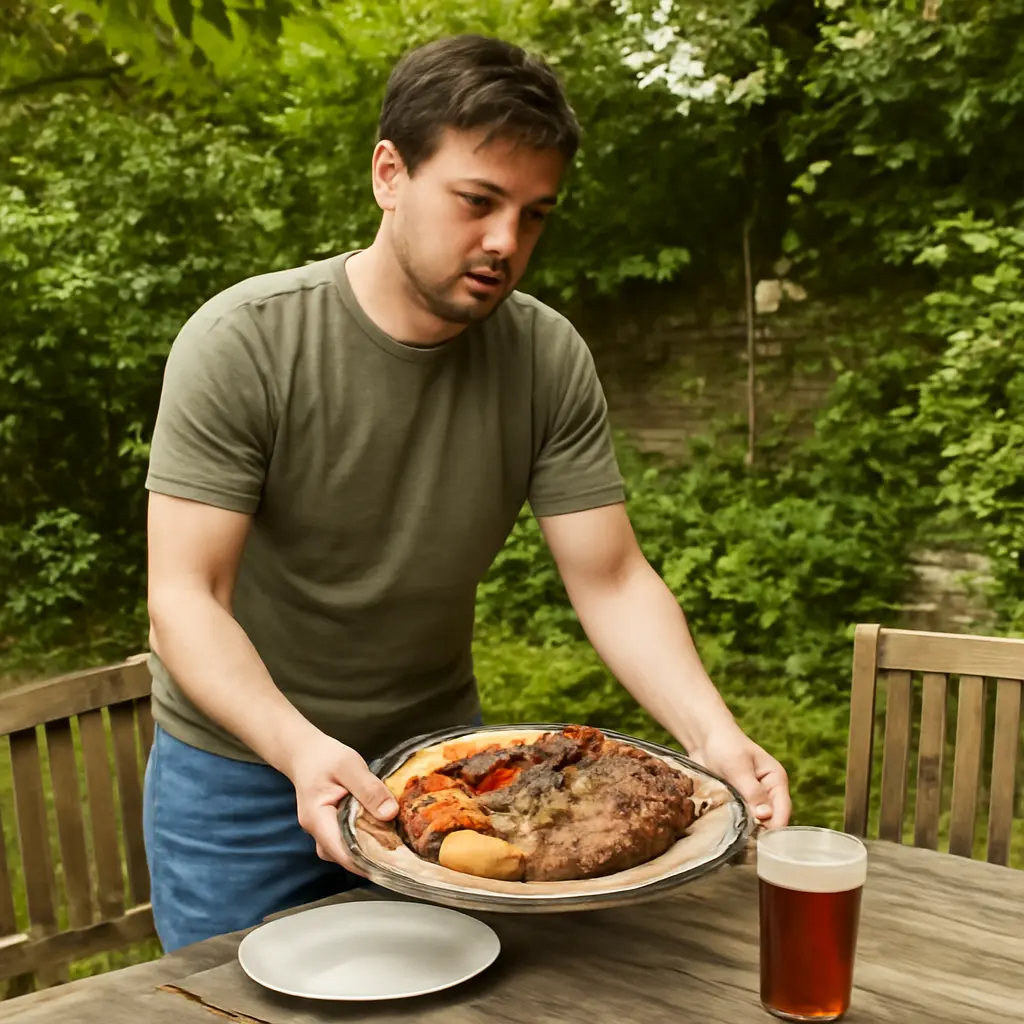
Amber ale is a malt-forward beer style known for its amber-to-copper color, balanced bitterness, and flavors that can suggest toast, caramel, or nuts. Those qualities make it a flexible dinner companion: amber ale can complement roasted meat, echo browned flavors, or balance rich and spicy foods. The seven pairings below—from burgers and barbecue to mushrooms, seafood, and dessert—show how to match the beer’s sweetness, bitterness, carbonation, and body with a meal. The Brewers Association’s style guidance describes American amber ale as an ale with a medium to high malt character and a moderate to high hop character, a useful reminder that individual examples vary and should be tasted before pairing.
Pairing Amber Ale with Dinner: A Practical Flavor Framework
A beer-and-food pairing is a deliberate match between the drink’s sensory characteristics and a dish’s flavors, texture, and intensity. The Brewers Association’s beer-and-food pairing guidance commonly frames the task around three approaches: complementing similar flavors, contrasting different ones, and cleansing the palate between bites. For amber ale, that means looking beyond its color and asking whether the beer is sweet or dry, gently bitter or assertively hoppy, light or substantial.
Amber ale is not one fixed recipe. Brewers Association style descriptions distinguish American amber ale by its balance of malt and hops, while real-world beers differ in alcohol, bitterness, and roast character. A caramel-leaning amber may flatter grilled onions; a more hop-forward version can cut through a fatty burger. Serve it cool, not ice-cold, so its malt aroma remains perceptible, and try a small sip with the food before committing to the pairing.
Complement, contrast, and palate refreshment
Complementary pairing brings similar notes together: toasted malt alongside browned meat, for example. Contrast uses opposing sensations, such as carbonation and bitterness against richness or sweetness against chile heat. Palate refreshment relies on bubbles, moderate bitterness, or a clean finish to make the next bite feel inviting. These are practical tools rather than rigid rules, and a dish’s sauce or seasoning can matter more than its main ingredient.
How to choose the right amber ale
Read the brewer’s tasting notes and consider the beer’s bitterness, malt sweetness, and strength. A softer, caramel-forward amber often suits roasted vegetables and glazed foods; a drier, more bitter example can work better with fatty or spicy dishes. If a beer tastes noticeably sweet beside a sweet sauce, the combination may become cloying. When possible, compare a bite and sip together, then adjust the dish with acidity, herbs, or a less-sweet sauce.
Seven Amber Ale Pairings That Make Dinner Special
1. Grilled burgers with cheddar and caramelized onions
A burger pairs naturally with amber ale because grilling creates browned, savory flavors that meet the beer’s toasted malt character. Cheddar adds fat and salt, while caramelized onions bring sweetness that can echo caramel-like malt notes. The beer’s carbonation and hop bitterness help keep each bite from feeling too heavy. For a balanced plate, choose a moderately bitter amber and add pickles or a vinegar-based condiment for brightness.
2. Barbecue ribs or pulled pork
Barbecue is a strong match when the beer and sauce are chosen together. Amber ale can complement smoke and browned meat, while its bitterness offers some contrast to fatty pork. Sweet, sticky sauces may make a malt-sweet beer taste sweeter still, so a drier, more hop-forward amber is often the safer choice. With peppery or vinegar-led barbecue, a rounder malt profile can soften the sharpness without masking the meat.
3. Roast chicken with herbs and pan juices
Roast chicken is a gentler pairing that lets amber ale’s balance show through. Golden skin and savory pan juices complement toasted malt, while herbs such as thyme and rosemary add aromatic detail. Because chicken is less intense than barbecue, avoid an especially bitter or high-strength beer that could dominate the plate. A moderate amber works well with roasted potatoes and a squeeze of lemon, which brings a fresh counterpoint to the malt.
4. Grilled sausages with mustard and sauerkraut
Sausages bring salt, fat, and seasoning; mustard and sauerkraut contribute sharpness and acidity. Amber ale’s malt body can complement the browned casing, while bubbles and bitterness provide a refreshing contrast. A tangy mustard or fermented cabbage is especially useful if the sausage is rich. For a milder sausage, select an amber with enough malt presence to stand alongside it rather than a strongly bitter version that overwhelms its seasoning.
5. Mushroom risotto or roasted mushrooms
Mushrooms offer earthy, savory flavors that pair well with the toasted and nut-like notes found in some amber ales. In risotto, Parmesan and butter add richness, making carbonation and a clean finish welcome contrasts. Roasted mushrooms can echo the beer’s browned flavors even more directly. Keep the seasoning measured: a little thyme, black pepper, or aged cheese can deepen the match, while excessive sweetness in the beer may make a creamy risotto feel heavy.
6. Cedar-plank salmon or grilled trout
Amber ale can pair with oily fish when the preparation includes browning, smoke, or a savory glaze. Grilled salmon’s rich texture meets the beer’s malt body, while bitterness and carbonation help refresh the palate. A squeeze of lemon or a fresh herb sauce keeps the combination lively. For delicate poached fish, a lighter beer may be more suitable; for grilled or cedar-plank preparations, a restrained amber can match the deeper flavors without hiding the fish.
7. Apple crisp or bread pudding
Amber ale can finish dinner alongside desserts built around baked fruit, toasted bread, or warm spice. Apple crisp’s browned topping can echo malt flavors, while cinnamon and nutmeg create a seasonal bridge. Bread pudding offers a similar toasted, custardy profile. Choose a beer that is not sweeter than the dessert; otherwise, both can seem overly sugary. A modest pour alongside a small serving makes the pairing feel like a conclusion to the meal rather than another heavy course.
A Simple Amber Ale Pairing Guide
The following chart summarizes the dominant pairing logic. It is a starting point, not a substitute for tasting the particular beer and dish.
- Burgers: Match toasted malt with grilled flavors; use bitterness and carbonation against cheese and fat.
- Barbecue: Complement smoke; choose a drier amber when the sauce is sweet.
- Roast chicken: Match browned skin and herbs with a moderate, balanced beer.
- Sausages: Let malt meet savory seasoning; use mustard or sauerkraut for contrast.
- Mushrooms: Pair earthy, browned flavors with toasted malt; refresh creamy dishes with carbonation.
- Grilled fish: Match smoke and richness, then add lemon or herbs for lift.
- Baked desserts: Echo toasted and spiced flavors while keeping the beer less sweet than the dish.
Conclusion: Make Amber Ale Work with the Meal
Amber ale’s appeal at dinner comes from balance: malt can complement browned, savory, and toasted flavors, while hops and carbonation can counter richness. Burgers, barbecue, roast chicken, sausages, mushrooms, grilled fish, and baked desserts each use a different part of that versatility. Start with the dish’s strongest feature—fat, smoke, sweetness, acidity, or spice—then choose an amber ale that either echoes it or provides a clear contrast. For your next meal, taste the beer with the first bite and adjust the sauce or garnish to make the pairing your own.
Sources: Brewers Association, Beer and Food, https://www.brewersassociation.org/educational-publications/beer-and-food/; Brewers Association, 2021 Beer Style Guidelines, https://www.brewersassociation.org/edu/brewers-association-beer-style-guidelines/; Cicerone Certification Program, The Cicerone Certification Program: Beer and Food Pairing, https://www.cicerone.org/us-en/certifications/certified-beer-server