
Never Been to a Brewery With the Family Here Is What to Expect
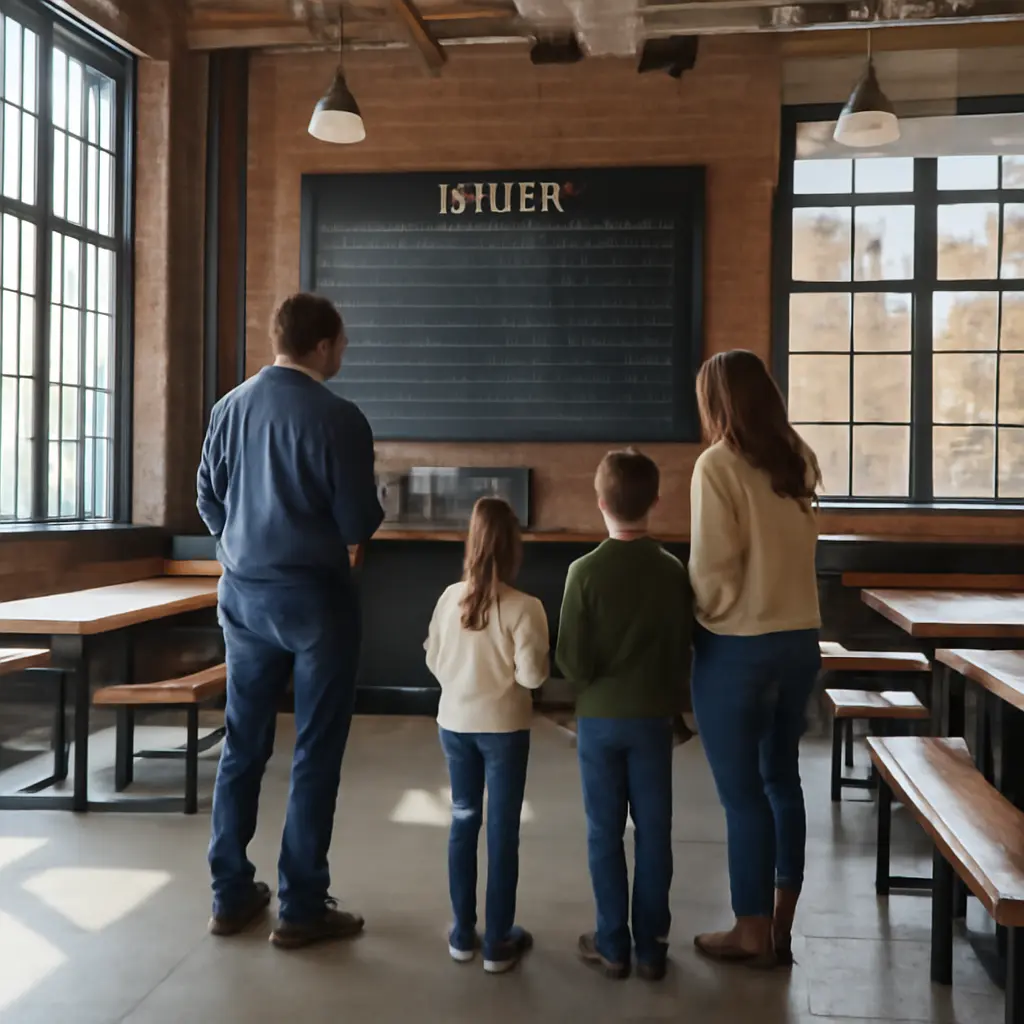
A family visit to a brewery can be a relaxed way to learn about local food and drink, even if no one in your group knows what to expect. Breweries are businesses that make beer, and many also welcome visitors to taprooms or outdoor spaces where adults can sample drinks and families can enjoy food or nonalcoholic options. What a visit feels like depends on the brewery’s age policy, layout, menu, and event schedule, so checking those details ahead of time is the best way to avoid surprises.
What a Family Brewery Visit Usually Involves
A brewery is a place where beer is produced; a taproom is the customer-facing space where a brewery serves its drinks. The Brewers Association, a U.S. trade organization, describes craft breweries through criteria that include small production volume, independent ownership, and a traditional brewing approach. In everyday terms, families are most likely to encounter a taproom, beer garden, restaurant, or guided production tour—not necessarily every part of the brewing operation.
The setting can range from a casual room with communal tables to a busy restaurant-style venue with a patio, food truck, live music, or games. The U.S. Brewers Association reported 9,906 operating U.S. craft breweries in 2023, illustrating how varied the brewery landscape is. That number does not mean each brewery is family-friendly: policies differ, and some locations restrict minors or allow them only during certain hours or with a parent or guardian.
Taprooms, beer gardens, and brewpubs
A taproom primarily serves beer made by its brewery, while a beer garden is generally an outdoor drinking and dining area. A brewpub combines brewing with a restaurant operation, so it may offer a broader meal menu. These categories overlap, and the name alone does not tell you whether children are permitted, whether food is available, or how noisy the space will be.
Production areas and tours
The production area contains brewing equipment such as kettles, fermenters, hoses, and storage tanks. It may be hot, wet, loud, or restricted for safety and sanitation reasons. A tour is different from simply sitting in a taproom: it may involve stairs, narrow walkways, or age limits. Ask whether children can join and whether the tour route is accessible before booking.
Once you know which kind of brewery experience is on offer, the next step is to check the rules that shape a family visit.
How Brewery Policies Affect Families
A brewery’s family policy is the set of house rules governing who may enter, where minors may go, and when they must leave. Alcohol licensing requirements vary by jurisdiction, and businesses may set rules that are stricter than local law. Therefore, confirm the policy with the specific location rather than assuming that children are either always welcome or always excluded.
Age limits and supervision
Some breweries admit minors when accompanied by a parent or guardian; others are adults-only, restrict children to dining areas, or set an evening cutoff. Local alcohol regulations may also affect access to particular spaces. Check the brewery’s current FAQ or call ahead, especially if you plan to attend a ticketed event or visit after dinner time.
Food, nonalcoholic drinks, and activities
Food availability ranges from a full kitchen to rotating food trucks or no food service at all. Nonalcoholic drinks may include water, soda, juice, or alcohol-free beer, but the selection varies. Some venues provide board games, outdoor lawn games, or family events; these are amenities, not guarantees. Bring a backup plan if your child needs a meal, quiet activity, or a place to move around.
Noise, crowds, and comfort
Taprooms can become crowded and loud during weekends, live music, sports screenings, or special releases. A brewery’s posted event calendar and recent visitor information can help you choose a calmer time. If anyone in your family is sensitive to noise or needs room for a stroller, ask about outdoor seating, quieter hours, and accessible entrances.
With the venue and rules confirmed, a little preparation can make the visit more comfortable for both children and adults.
How to Plan a Smooth First Visit
Planning a family brewery visit means matching the venue’s setup to your group’s needs, setting expectations, and arranging safe transportation. Responsible alcohol service is part of that plan. The U.S. Centers for Disease Control and Prevention identifies excessive drinking as a public-health risk, so adults should decide in advance who will drive and avoid driving after drinking.
Check practical details before you go
Before leaving, verify the age policy, opening hours, food options, event schedule, parking, stroller access, and whether reservations are needed. Ask about tour requirements if you want to see the production area. A quick call can clarify details that may not be obvious from a general listing.
Set expectations with children
Explain that the brewery is a working business, not a playground, and that some equipment or areas are off-limits. Agree on simple rules such as staying with the group, walking rather than running, and not touching machinery or glassware. Choose a visit length that suits your child and leave if the environment becomes uncomfortable.
Make responsible choices for adults
If adults choose to sample beer, keep the visit modest and arrange a sober driver, taxi, rideshare, or public transit in advance. Adults are responsible for supervising children throughout the visit; drinking should never interfere with that responsibility. Alcohol-free drinks and food can help make the outing inclusive for everyone.
For example, a family might choose a brewery with a patio and food service, arrive before a scheduled music event, order a meal and nonalcoholic drinks for the children, and have a designated driver. That simple plan addresses the most common uncertainties without assuming every brewery offers the same experience.
What to Expect During the Visit
A typical visit begins at the entrance or host stand, where staff can explain seating, ordering, and any age-related rules. Depending on the venue, you may order at a counter, use table service, or buy drinks from a bar. Production equipment may be visible through windows, but that does not mean visitors can enter the brewing floor.
Ordering and tasting
Adults may see a menu listing beer styles, serving sizes, and tasting flights. Staff can explain flavor descriptions, but families do not need to order alcohol to enjoy the space. Ask about water and nonalcoholic options, and follow the venue’s rules about where drinks may be carried.
Etiquette and shared spaces
Taprooms are shared public spaces. Keep children close, leave walkways clear, respect other guests, and follow staff instructions. Avoid bringing outside food unless the venue permits it, and do not let children approach serving areas or production equipment unsupervised. If the brewery is crowded, be ready to move on rather than expecting staff to accommodate a large group without a booking.
When a brewery may not be the right fit
An adults-only policy, limited seating, a loud event, or the absence of food may make a particular brewery unsuitable for your family that day. Choosing another venue is a practical decision, not a failure to make the outing work. A daytime visit, a brewery restaurant, or a different family activity may be a better match.
Conclusion: Make the Visit Fit Your Family
A first brewery visit can be straightforward when you understand the difference between a taproom, beer garden, brewpub, and production tour; confirm the brewery’s age and supervision policies; and plan for food, noise, accessibility, and transportation. Breweries vary widely, so the most useful preparation is checking the specific venue’s current rules rather than relying on assumptions. Look up a nearby brewery’s policies and menu before you go, and choose a time and setting that work for everyone in your group.
Sources: Brewers Association, Craft Brewer Definition, https://www.brewersassociation.org/statistics-and-data/craft-brewer-definition/; Brewers Association, National Beer Survey: Craft Brewery Statistics, https://www.brewersassociation.org/statistics-and-data/craft-brewer-statistics/; U.S. Centers for Disease Control and Prevention, Alcohol Use and Your Health, https://www.cdc.gov/alcohol/about-alcohol-use/index.html