
Diners trust breweries more when someone’s actually cooking back there
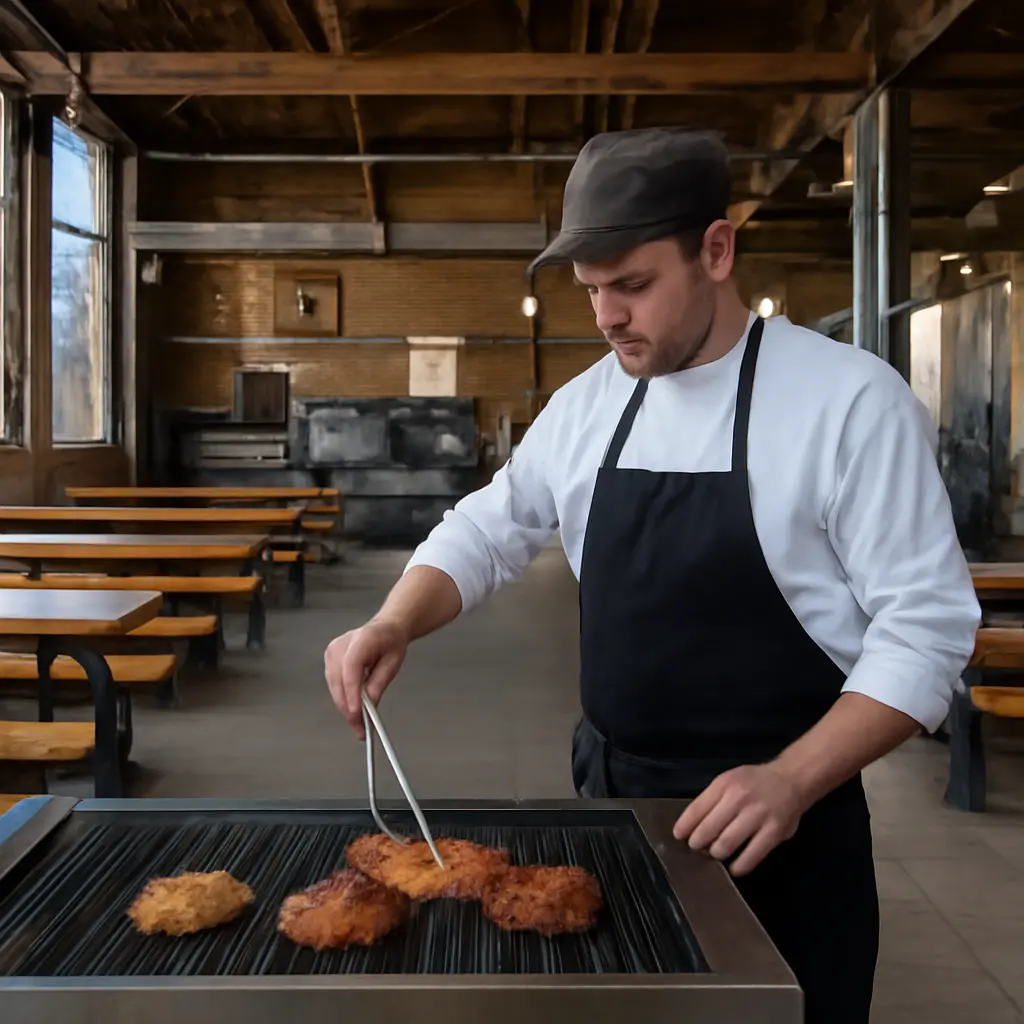
Breweries earn diners’ trust when their food claims are backed by visible, credible evidence—especially a kitchen where cooks are preparing meals, not merely reheating snacks. A brewery restaurant is a brewing business that serves food alongside beer, but the mere presence of a menu does not establish that meals are made on-site. The distinction matters: the U.S. Centers for Disease Control and Prevention estimates that 48 million people in the United States get sick from foodborne illness each year, making food handling and kitchen accountability relevant to every dining decision. Visible cooking can signal investment, skill, and responsibility, though it is not proof of food quality or safety. Understanding that difference helps explain how open kitchens, clear menus, food-safety practices, and consistent service shape confidence in brewery dining.
Visible Cooking Signals Brewery Restaurant Credibility
“Visible cooking” means diners can observe some part of food preparation, either directly through an open kitchen or indirectly through clear operational cues such as made-to-order descriptions and staff explanations. It is a form of service evidence: customers see, hear, or are told how the food is produced. The National Restaurant Association’s consumer research regularly identifies food quality and value among important restaurant-selection considerations; a visible kitchen can help make those qualities more believable by connecting a dish to an identifiable process.
The signal is strongest when what diners see matches what the brewery says. A cook assembling burgers to order supports a “made here” claim; a menu that describes frozen or prepackaged items as house-made would undermine it. Visibility is therefore not a standalone guarantee but one part of perceived restaurant credibility—the customer’s judgment that a business is capable, candid, and dependable.
Open kitchens and observable preparation
An open kitchen is a dining-area-facing cooking space that lets guests see some preparation and staff activity. It can make the labor behind a meal tangible, especially when diners watch cooks grill, plate, or finish dishes. Research on restaurant atmospherics and service encounters has found that the physical environment and employee behavior influence customers’ quality perceptions, although effects vary by setting and execution. An open kitchen may communicate care and competence, but it can also expose delays, disorder, or poor communication.
Visibility should be designed around cleanliness and safe workflow, not theater alone. The Food and Drug Administration’s Food Code provides a model framework for retail food-safety practices, including hygiene, temperature control, and contamination prevention. Diners cannot reliably assess every safety procedure from the dining room, so a well-run open line complements—rather than replaces—formal training, inspections, and monitoring.
Made-to-order food and menu transparency
Made-to-order food is prepared or finished in response to a customer’s order rather than served solely as a pre-portioned, ready-made item. The category includes freshly grilled entrees, assembled sandwiches, and dishes finished with sauces or toppings in the kitchen. Clear menu language helps diners understand what is actually cooked on-site; precise descriptions are more credible than broad claims such as “fresh” when the preparation method is unclear.
For breweries, transparency also includes explaining ingredients and accommodating questions about allergens or dietary needs. The FDA requires disclosure of major food allergens in packaged foods, while restaurants should have reliable procedures for communicating allergen information and preventing cross-contact. A cook’s presence can reassure guests that a request is reaching the people preparing the meal, but only documented procedures can make that reassurance dependable.
Food Quality Builds on Brewery Kitchen Credibility
Kitchen credibility is the perceived ability to produce food consistently and honestly. It combines observable signals—such as active cooking—with the less visible foundations of a dependable operation: trained staff, workable menus, ingredient management, and safe handling. These elements matter because brewery dining joins two expectations: customers may arrive for beer, but they judge the food as a restaurant meal.
The bridge from a visible cook to lasting trust is consistency. A dramatic open kitchen may attract attention once; repeat visits depend on whether the food arrives as described, at an acceptable temperature, and with reliable service. The U.S. Bureau of Labor Statistics’ Consumer Expenditure data tracks household spending on food away from home, underscoring the scale of dining as a recurring consumer expense—but spending figures alone do not establish which restaurant cues cause trust. Breweries should treat visibility as a promise that operations must fulfill.
Food safety and accountable preparation
Food safety is the set of practices that prevent contamination and control hazards during storage, preparation, cooking, and service. The CDC estimates that foodborne diseases cause about 128,000 hospitalizations and 3,000 deaths in the United States annually, in addition to the estimated 48 million illnesses. Those figures explain why trust should rest on systems, not appearances.
Breweries can make accountability more credible by maintaining required food-handler practices, monitoring temperatures, separating raw and ready-to-eat foods, and following local health-code requirements. The FDA Food Code is a model used by state and local jurisdictions; the enforceable rules are determined by the applicable local authority. Diners who want evidence can look for inspection information where it is publicly posted, while operators can make staff training and safe procedures part of routine service.
Menu fit, consistency, and realistic claims
Menu fit is the degree to which a brewery’s food selection supports its identity and operational capacity. A focused menu of well-executed sandwiches, salads, or shareable dishes may be more convincing than a sprawling menu that suggests capabilities the kitchen cannot sustain. Pairings between beer and food can add value, but they work best when the food itself is prepared and described with care.
Consistency is a practical test of credibility: the same dish should meet similar standards across shifts and visits. Operators can track ticket times, remake rates, guest feedback, and inspection outcomes to identify weaknesses. These operational measures are not universal proof of customer trust, but they help explain whether the visible kitchen is supported by repeatable work behind the scenes.
Brewery Dining Trust Depends on More Than the Kitchen
A brewery’s food reputation is also shaped by service, atmosphere, and the match between expectations and experience. An energetic taproom can make a casual meal appealing, while clear ordering practices and attentive staff reduce uncertainty. Conversely, an attractive brewing setup does not compensate for confusing menus, long unexplained waits, or food that arrives unlike its description.
Service explanations connect diners to the kitchen
Service transparency means giving accurate, useful information about ingredients, preparation, wait times, and limitations. Staff do not need to claim every dish is cooked entirely from scratch; they should be able to explain what is prepared on-site and what is sourced ready-made. Honest answers can build more durable confidence than inflated “from scratch” language.
A practical way to assess a brewery’s food operation
Diners can evaluate a brewery restaurant by comparing its claims with observable details and the overall meal experience. No single cue is conclusive, but several consistent indicators provide a more useful picture.
- Check whether the menu clearly identifies dishes and ingredients rather than relying on vague freshness claims.
- Notice whether food appears to be prepared or finished to order, while remembering that visibility does not prove safety.
- Ask staff about allergens, substitutions, and preparation methods; clear, consistent answers are a positive operational signal.
- Look for cleanliness and orderly service, and consult local inspection information when available.
- Judge the full experience over time: taste, temperature, accuracy, value, and consistency matter more than kitchen theater alone.
Conclusion: Visible Cooking Is a Signal, Not a Guarantee
Diners may trust breweries more when they can see someone cooking because visible preparation makes effort and accountability easier to recognize. Open kitchens, made-to-order food, transparent menus, and capable staff can strengthen that impression. But food safety statistics and restaurant practice point to an important qualification: trust must be supported by training, safe handling, honest claims, and consistent results. Brewery operators should make the kitchen’s work visible where appropriate, explain what is prepared on-site, and maintain the systems guests cannot see. Diners, in turn, can look beyond the spectacle and assess the full experience.
For further reading, consult CDC foodborne-illness guidance, the FDA Food Code, and local health-department inspection resources. Together, these sources help distinguish a reassuring kitchen signal from the operational evidence that makes confidence deserved.
Sources: Centers for Disease Control and Prevention, Estimates of Foodborne Illness in the United States, https://www.cdc.gov/foodborneburden/estimates-overview.html; U.S. Food and Drug Administration, 2022 Food Code, https://www.fda.gov/food/fda-food-code/food-code-2022; U.S. Food and Drug Administration, Food Allergies, https://www.fda.gov/food/food-labeling-nutrition/food-allergies; National Restaurant Association, Research and Reports, https://restaurant.org/research-and-media/research/; U.S. Bureau of Labor Statistics, Consumer Expenditures, https://www.bls.gov/cex/.